The Resource Team Model
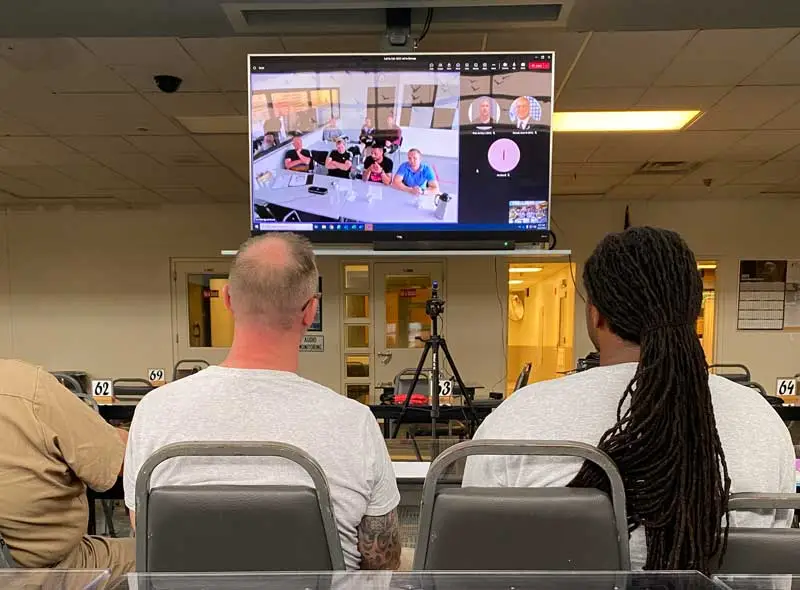
Resource Teams serve high-needs individuals who engage in high-risk behaviors by providing supportive, rehabilitative, evidence-based approaches that create a pathway to eliminate long-term solitary confinement and reduce the harms of isolation.
An Evidence-Based Alternative to Long-Term Isolation
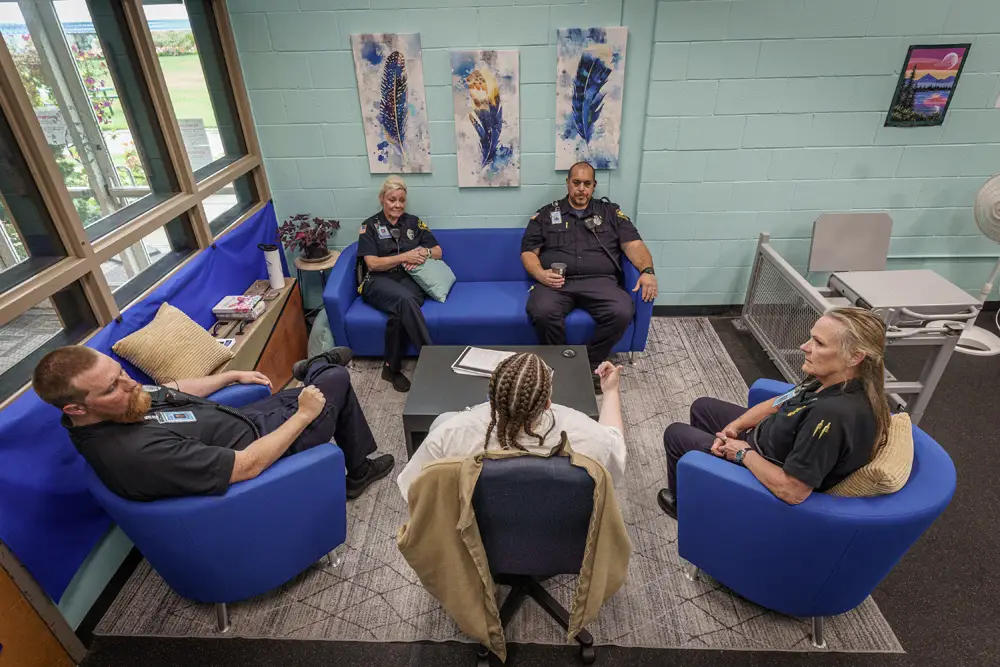
The Resource Team, adapted from the Norwegian Correctional Service in partnership with Amend, is a staffing and engagement model that relies on trained custody staff to work directly with high-needs incarcerated individuals to help them set and achieve goals that enable them to transition safely to lower-security housing. Grounded in international principles such as normalization, this model emphasizes individualized, humane, and treatment-oriented practices.
The Activation Team is a mobile Resource Team focused on reducing the risk of restrictive housing placement for people who are exhibiting high risk and high need behavior in general population throughout the prison.
-
The Highest-Risk, Highest-Need Residents
Resource Teams work with people incarcerated in Restricted Housing — including those with serious mental illness or histories of in-custody violence.
-
Safety, Progression, and Behavior Change
Using a modified case management approach, the Resource Team sets goals, tracks progress, and supports continuous program improvement.
-
A Multi-Disciplinary Team
A Resource Team typically includes four to five custody staff, including a supervisor, and sometimes a psychiatric technician or a peer mentor.
-
Specialized Training
Team members receive training in the impact of trauma on behavior, serious mental illness, behavior change, motivational interviewing, de-escalation, and non-force-based safety approaches.
-
Close Collaboration
Success depends on close collaboration among custody staff, healthcare providers, mental health professionals, peer mentors, and facility leadership.
-
Individualized Risk Assessment
Professional and respectful engagement empowers team members to understand resident-specific risk and protective factors.
-
Goal-Oriented Activities
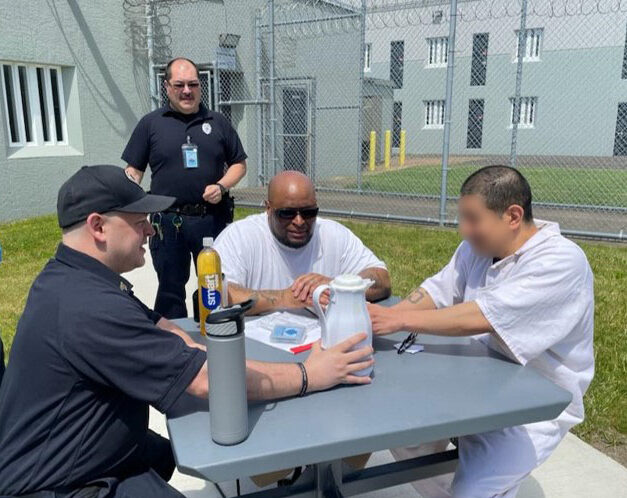
Planned activities that may appear simple, such as playing games, working on resumés, or playing an instrument, are intentional tools for building trust, reducing tension, and supporting behavior change.
-
Reduced Isolation
By increasing structured, meaningful out-of-cell time and engagement with staff and peer mentors, the Resource Team helps people build skills and transition safely to lower-security housing.
Increasing Skills, Safety, and Quality of Life for Correctional Staff
Staff working on the Resource Team reported significant improvements in their own health and well-being:
Physical Health
Mental Health, Including Mood
Quality of Life
Satisfaction with Personal Relationships
Staff working on the Resource Team also reported their work had a positive impact and felt increased confidence in working with high-risk people with complex needs:
Confident Communicating with High-Risk, High-Needs People
Confident De-escalating Violence without Use of Force
Confident Performing In-the-Moment Risk Assessment
Having a Positive Impact on Others at Work
Amend survey of 62 staff across California, Washington, and Oregon Resource Teams; all showing a statistically significant increase in reports in agreeing or strongly agreeing with these statements.
Changing the Lives of People in Long-Term Isolation
Learn more about how Resource Teams have impacted the experiences of people incarcerated in restricted housing.