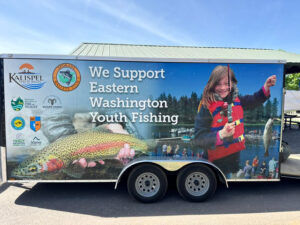
Red and white bobbers and an occasional whopper-plopper bounced across the water at Clear Lake as children cast their lines, watched their hooks, and waited for a bite. For many, it was their first time fishing. Along the shore, volunteers taught them how to cast, set the hook, and safely release their catch — all part of Kids Fishing Day, an annual event that brings about 1,000 young anglers together to experience the outdoors.
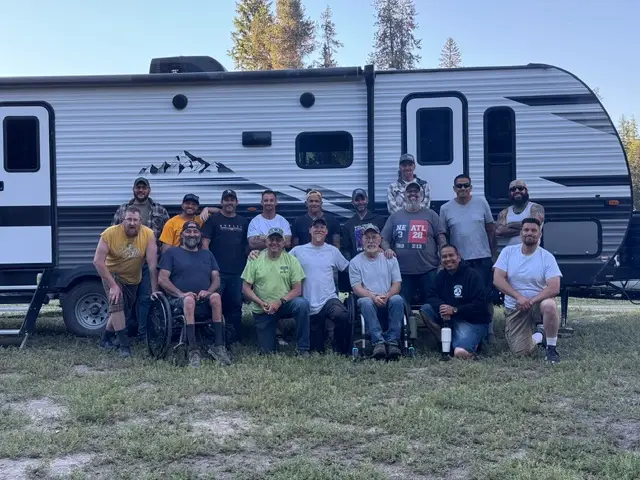
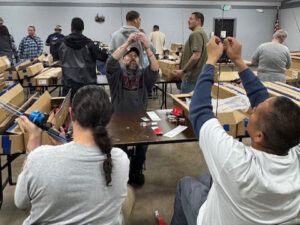
Two weeks earlier, eight residents from The Washington Department of Corrections’ Brownstone Reentry Center assembled nearly 600 of those rods, thanks to the efforts of Sgt. Jason Chapman. At Brownstone, Sgt. Chapman is tasked with security, programming, and the successful transition of people in custody back into the community.
The stakes are high for this work. Incarceration can separate people from normal responsibilities, relationships, and public life for years — in some cases, for decades. To prepare for their eventual release, incarcerated individuals should be developing new skills and practicing being good neighbors and responsible citizens. But opportunities to do so while still in custody are too often limited.
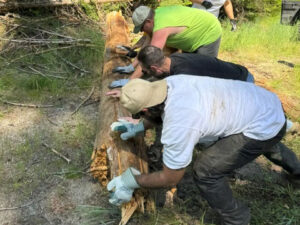
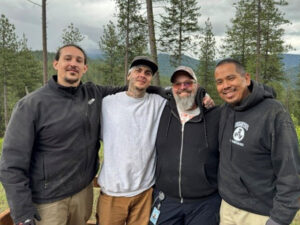
To fix this, Sgt. Chapman partnered with the Washington Department of Fish and Wildlife (WDFW) and Inland Northwest Wildlife Council (INWC) to pave the way for residents to participate in more everyday acts of community service. Under his leadership, Brownstone residents have not only built those fishing rods and volunteered at Kids Fishing Day, they’ve also spent hours clearing paths to accessible hunting and wildlife-viewing platforms in Colville National Forest, and cleaned up a local river walk.
From Training to Action
These projects took shape as part of the Washington Way, a partnership between Washington DOC and Amend at UCSF. In June 2026, Jason completed Amend’s leadership training, where participants learn how to plan strategic change initiatives, lead and sustain prison change initiatives, communicate vision and impact, and build a culture of professionalism with correctional leaders.
Chapman worked collaboratively with colleagues, residents, Washington Way leaders, and community partners to develop these new opportunities. “I did not do this by myself,” he emphasized. “I forget the DOC is a machine and everybody has to sign off on something. It doesn’t happen overnight.” But eventually, the DOC’s leadership said, “We have faith in you. Go do it.”
The Impact of the Work
These ordinary acts of service are an example of normalization in practice: everyday roles and interactions that prepare residents for community life while also making the workplace feel less institutional for staff. Through these activities, residents can receive positive reinforcement and envision how they want to contribute to their community upon release. The public recognition can feel deeply personal. “I’ve been on the news three times for doing bad things,” one participant said. “This is the first time I was on the news for doing good.”
“I never had the chance to fish when I was growing up. Being able to help give that experience to kids and watch then catch their first fish made me happy. You could see hope and excitement in their eyes.” – Resident volunteer
Programs like Sgt Chapman’s are changing how the public views incarcerated people too, seeing firsthand how they can meaningfully contribute to their community as mentors, workers, and neighbors. During the rod-assembly project, one person assumed the Brownstone group was a men’s club. When told the volunteers were incarcerated, he responded, “What? I would have never known that.”
For correctional staff, these outings offer connection, professional autonomy, and a reminder that correctional work can promote growth, not merely contain risk. The Contact Staff model engages correctional officers as a meaningful part of the rehabilitation process for residents, empowering them to actively contribute to community safety by preparing people for successful reentry.
Four months after participating in Amend’s Leadership Training, Chapman and his colleagues presented the results of their activities at an Amend workshop for Washington DOC leadership. By then, interest in participating in the new programs at Brownstone had grown significantly, with more than 60 residents engaged, 1,500 individual volunteer hours reported, and the number of activated staff members rising from 2 to 12. Staff were bringing forward new ideas. Residents stopped focusing only on what they could not do and began asking how they could contribute more.
The questions began to shift:
“How can I be part of this?”
“What’s next?”
What started with 600 fishing rods became evidence of what changing the culture in US corrections can achieve — bringing staff initiative, resident responsibility, community partnership, and leadership support together to advance a true vision for public safety.